>>|Overview|Mission & Vision|Organizer|Location & Art Village|Submissions| Theme|>>
Select a Section
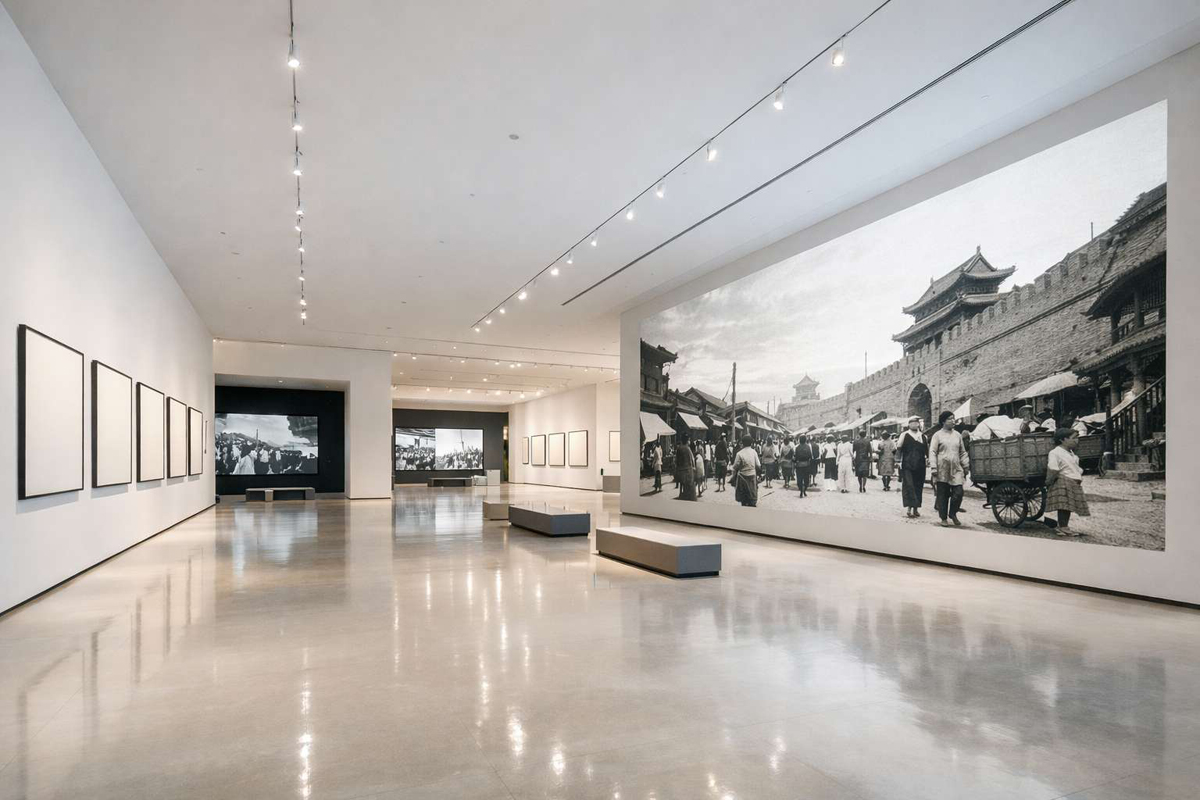
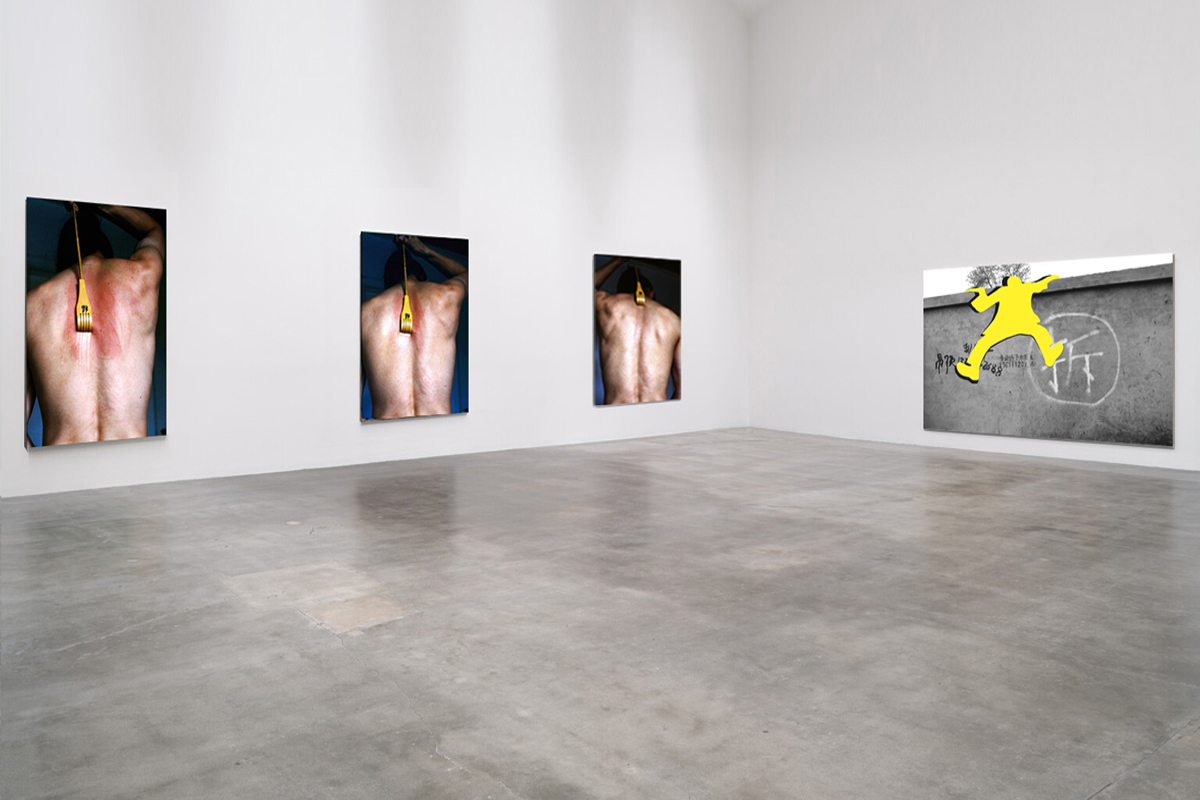
.
2026 VISUREAL · International Image Art Festival (VIIAF)
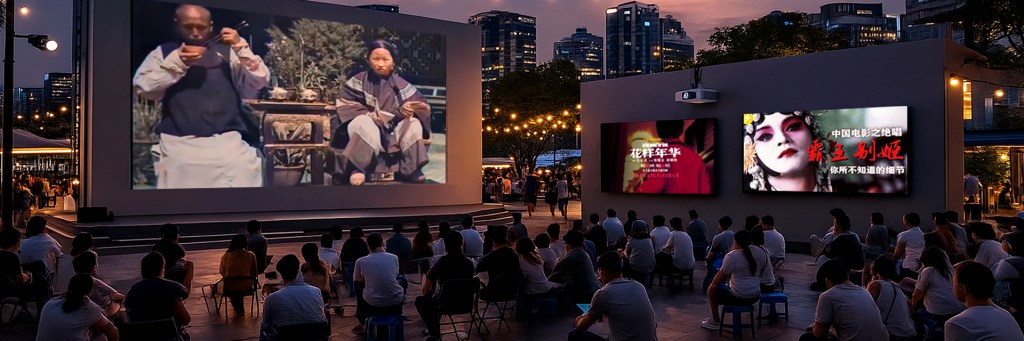
VISUREAL · International Image Art Festival (VIIAF) is an international platform centered on image-based art, combining artistic production with research-driven curatorial inquiry. Situated within a contemporary global context, the festival uses image-making as an open visual language to critically re-examine the cultural significance of the Silk Road across historical processes and the contemporary world.
Within this framework, the Silk Road is no longer a static historical route but a dynamic cultural field traversing time, geography, and civilizations. Networks of migration, trade, technological transmission, and the exchange of ideas have continuously shaped social structures and human understanding. Against this backdrop, the festival positions image-based practices as a critical means of connecting historical memory, lived reality, and future imagination, while engaging with contemporary issues such as civilizational exchange, cultural coexistence, and plural identities.
I. Project Vision |
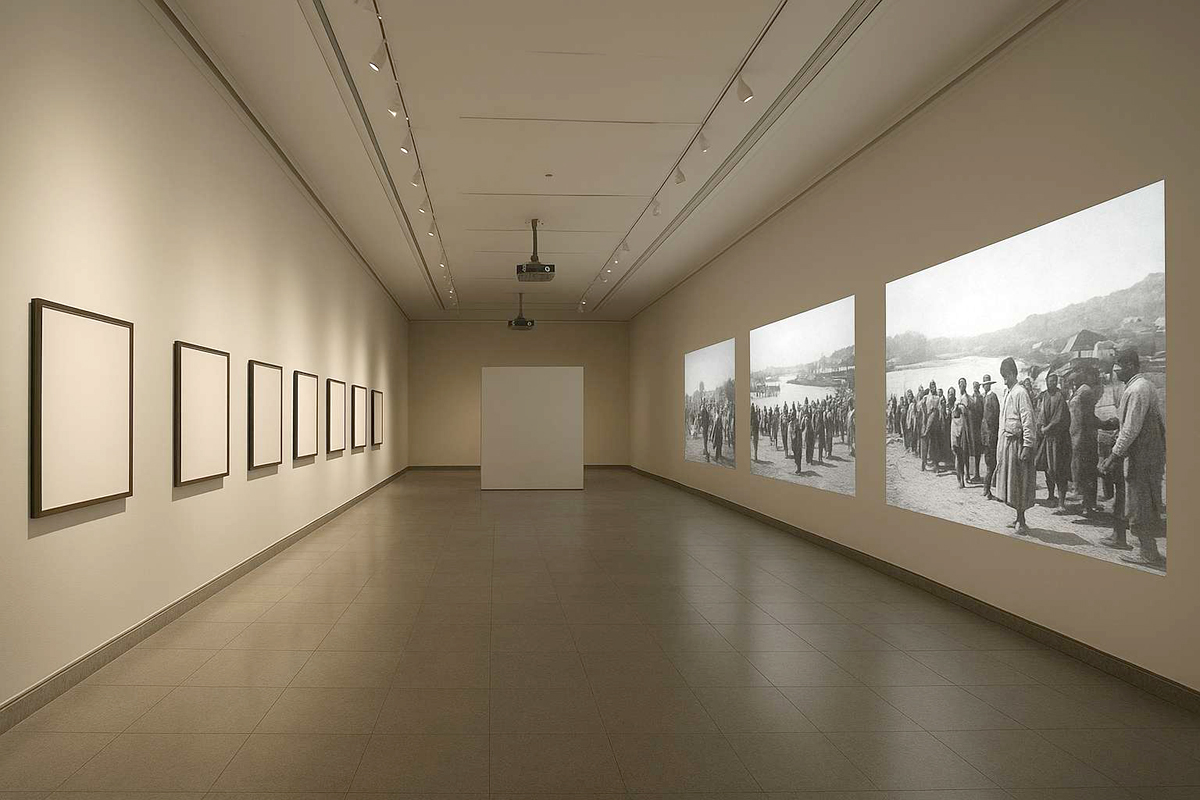
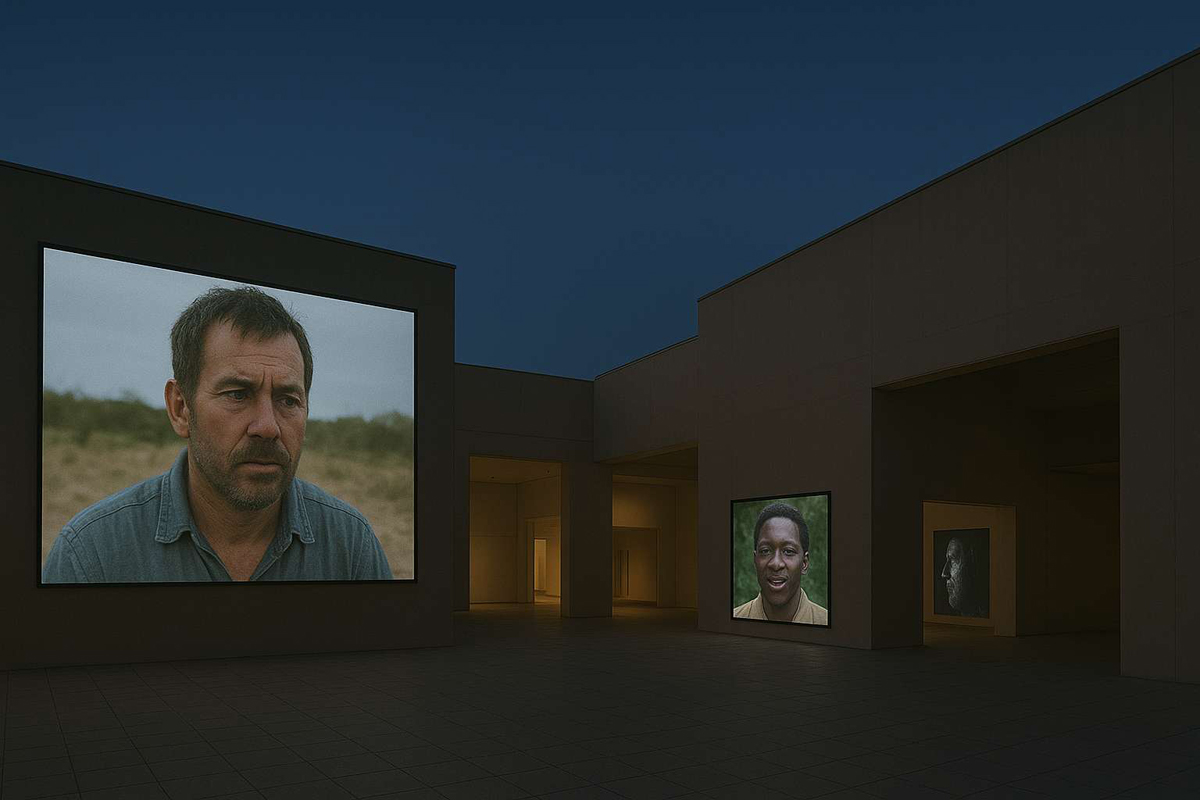
The festival positions image-based art as a key medium for understanding the world and reconstructing narratives, emphasizing the active role of image-making in historical writing, social memory, and cultural imagination. Diverse forms—including photography, micro-films, short videos, video works, animation, interactive media, AI-generated imagery, and AR/VR immersive installations—are approached not merely as technical tools but as expressions of distinct cognitive structures and ways of seeing.
By juxtaposing multiple visual languages, the festival moves beyond singular civilizational viewpoints and linear historical narratives, enabling the historical experience of the Silk Road to be revisited, reinterpreted, and articulated within a contemporary context.
II. Academic Position & Curatorial Approach |
The project situates image-based practice within epistemological and methodological discourse. Images are not merely records or representations of reality; they are generative forms of knowledge that participate in constructing history, producing space, and forming cultural meaning.
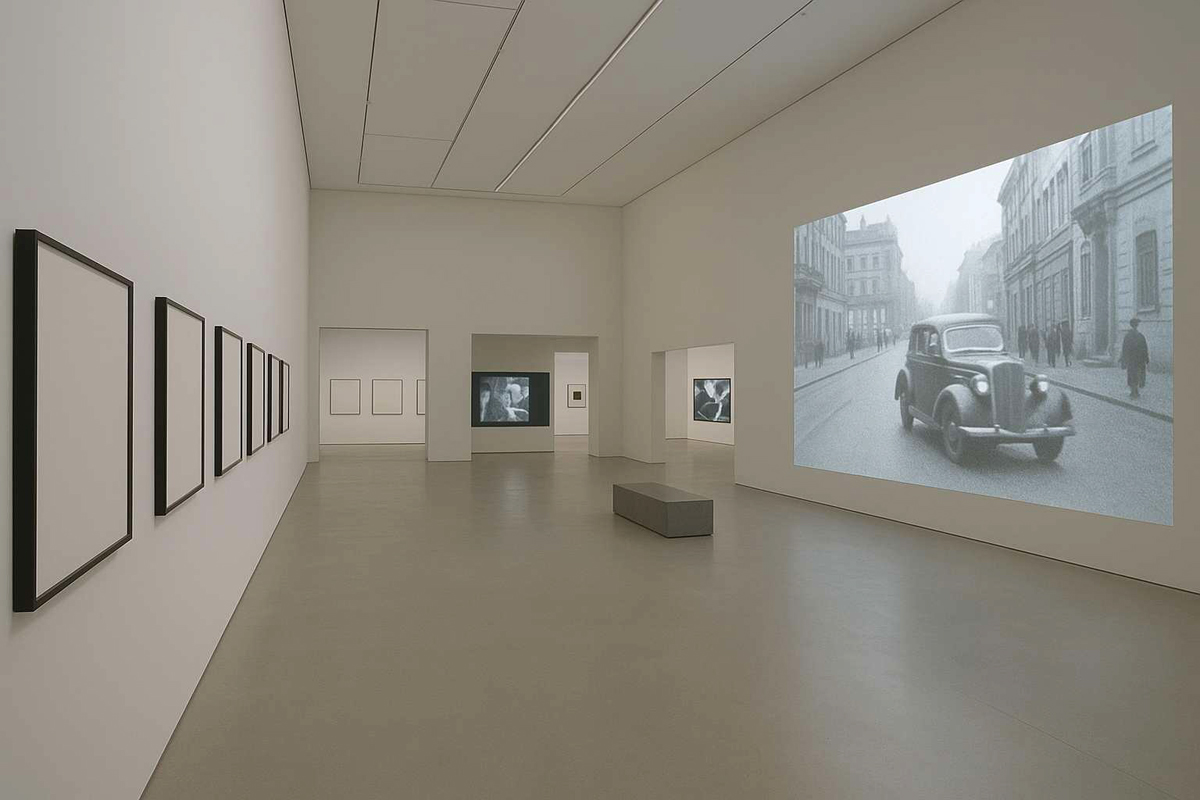
Rejecting linear time, the festival constructs a multi-temporal viewing structure by placing images from different historical periods, geopolitical contexts, and technological conditions in dialogue. History is presented as an unfinished process continuously entering the present. Historical image archives are approached as materials for reactivation and re-contextualization, while contemporary practices critically respond to social realities, technological transformations, and global mobility.
Spatially, the festival examines the Silk Road as a cultural network defined by movement and circulation. It explores how images—through perspective, narrative, and media technologies—shape visual imaginaries of “center and periphery” and “self and other,” while critically reflecting on power structures and cultural positions embedded within them.
III. Artists & International Scope |
The 2026 art festival will bring together image-based works by artists from 30 countries, encompassing historical documentary footage, contemporary moving image art, and experimental projects based on new technologies. Within the program, artists participate not only as creators of artworks but also as researchers and cultural observers, engaging in ongoing discussions around images, history, and contemporary issues.
By juxtaposing diverse cultural backgrounds, generations, and creative methodologies, the festival foregrounds difference, rupture, and uncertainty as essential dimensions for understanding the complexity of the Silk Road.
IV. Platform Mechanism & Exchange |
Through a multi-layered structure—including physical exhibitions, academic forums, thematic symposia, international workshops, and digital screenings—the festival establishes an international image art platform integrating presentation, research, and public exchange. Emphasizing process and openness, the platform encourages interaction among artistic practice, theoretical inquiry, and public participation, positioning image art as a vital component of cross-cultural knowledge production.
V. Initiator & Origin
The festival is initiated by Chengdu Nongyuan International Art Village, a representative platform for contemporary art and cultural exchange in western China. The village has long been committed to artistic creation, international artist residencies, academic research, and public cultural practice, and it possesses sustained curatorial experience in image-based art, experimental moving images, and cross-media practices.
Rooted in Chengdu’s significant geographical and cultural position within the historical Silk Road and the contemporary Belt and Road cultural network, the festival extends toward Belt and Road countries and the broader global context, forming an image art exchange structure that begins locally and expands internationally.
VI. Public Value & Vision
VISUREAL · International Image Art Festival (VIIAF) does not seek a single conclusion about the Silk Road. Instead, through image-based practices, the festival constructs an open visual field where multiple narratives, diverse perspectives, and critical modes of viewing coexist.
The project emphasizes mutual observation and understanding across history and the present, East and West, art and technology, fostering cross-cultural dialogue and cognitive exchange.
The public is not merely a viewer but an active participant in producing meaning. Through sustained image practices and public discourse, the festival provides a cultural platform for reflecting on civilizational exchange, understanding difference, and exploring coexistence in contemporary society.
VII. Image-Based |
Image-based art encompasses practices using images and moving images as central media, including photography, micro-films, short videos, video works, animation, interactive media, AI-generated imagery, and AR/VR immersive installations. Images serve not only as representations but also as expressions of cognition, enabling exploration of relationships among history, society, culture, and individual experience.
Image-based art transcends traditional media boundaries, integrating technology, experimental approaches, and interactivity, transforming audiences from passive viewers into active participants and critical observers. It provides new perspectives on historical narratives, social memory, and cultural imagination while fostering multidimensional perception and cross-cultural dialogue.
VIII. Artistic Theme |
Interwoven Time-Spaces: From Waystations to Nodes
The Image-based Silk Road: Memory, Reality, and Imagination
The festival explores how human connections form across time, space, and technology. Using the Silk Road as a cultural model rather than a historical route, the project examines networks of movement, exchange, and communication from pre-modern civilizations to today’s digital world.
Through image-based practices—photography, moving image, documentary, and emerging technologies—the festival investigates how historical memory, bodily migration, material circulation, and technological systems continuously reshape global culture.
IX.The theme unfolds through four interconnected dimensions:
▼ Waystations (History & Memory)
▼ Corridors (Human Mobility)
▼ Trade Routes (Material Flow)
▼ Nodes (Technology & Networks)
>> For more information on Artistic Theme >>
+
+
+
+
 VISUREAL・International Image Art Festival