关于|ABOUT
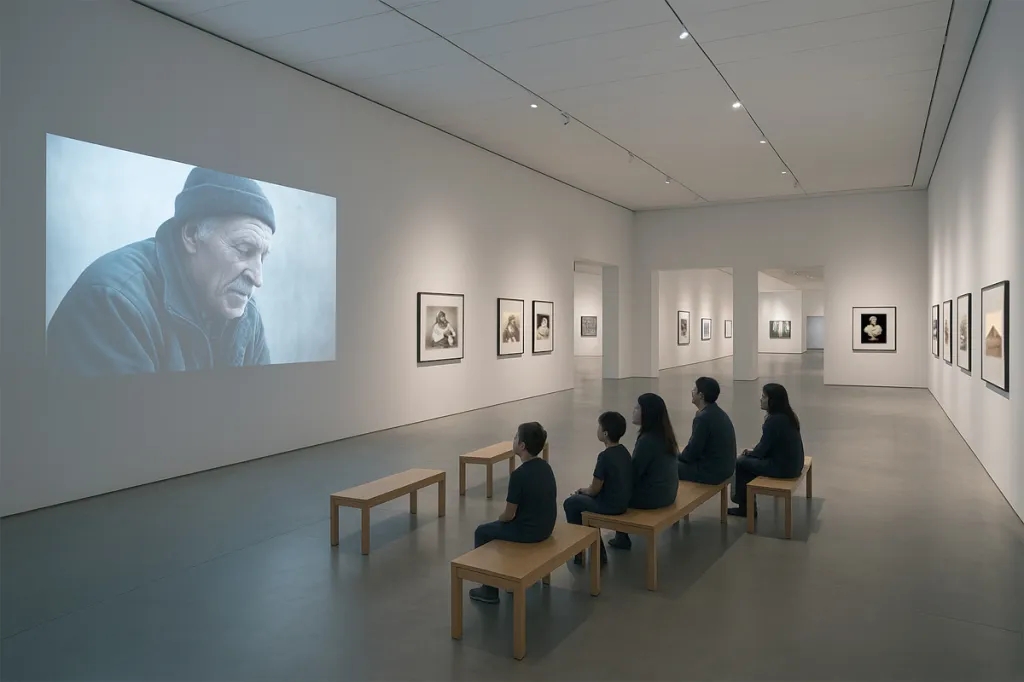
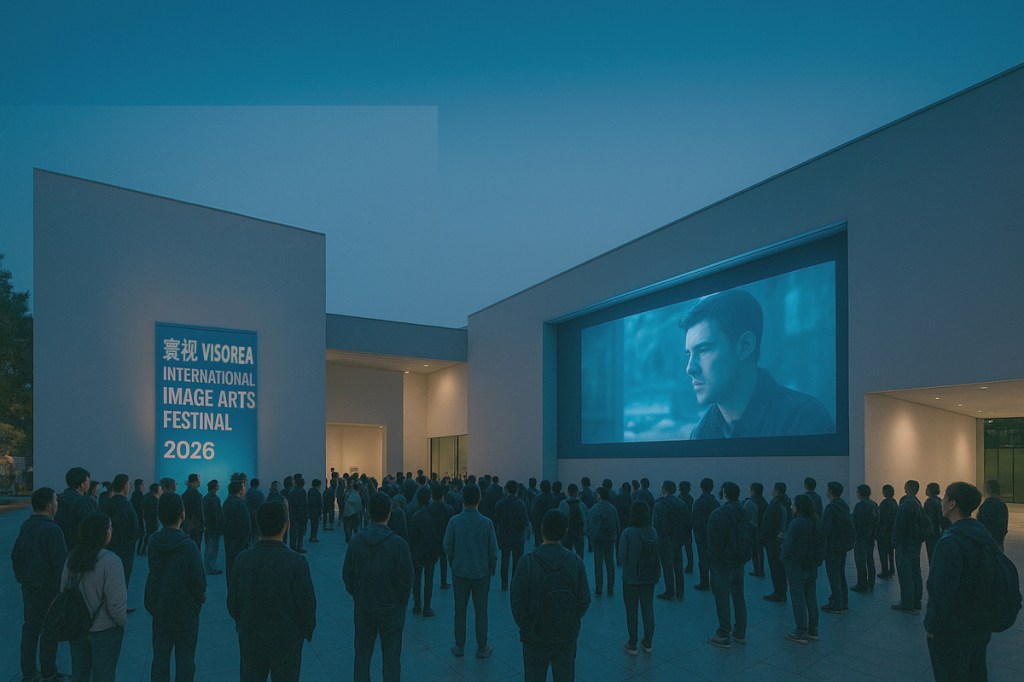
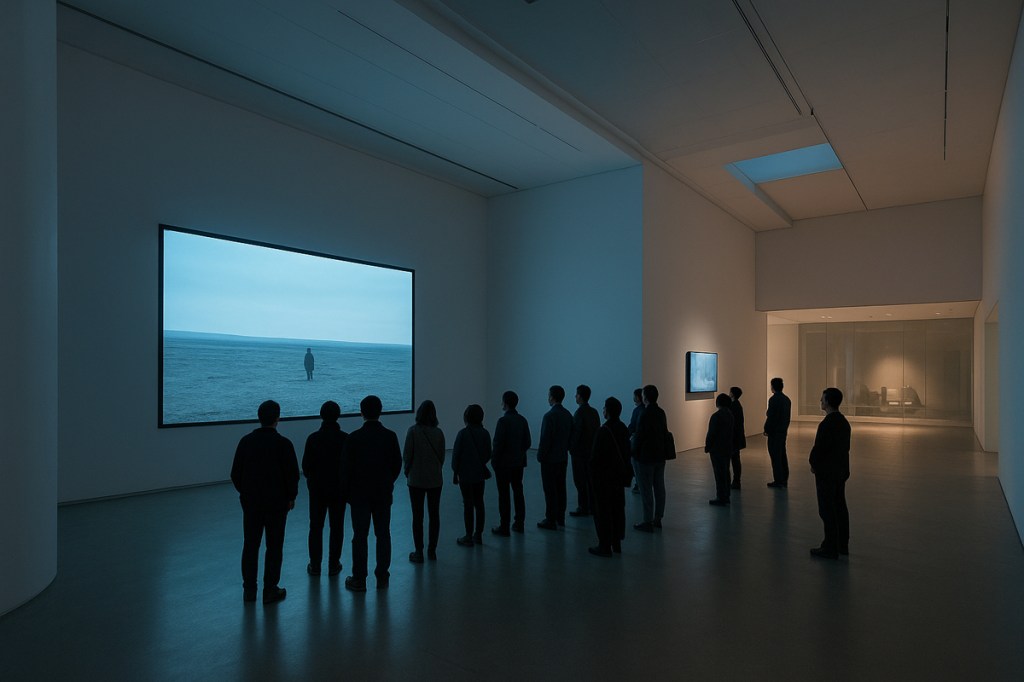
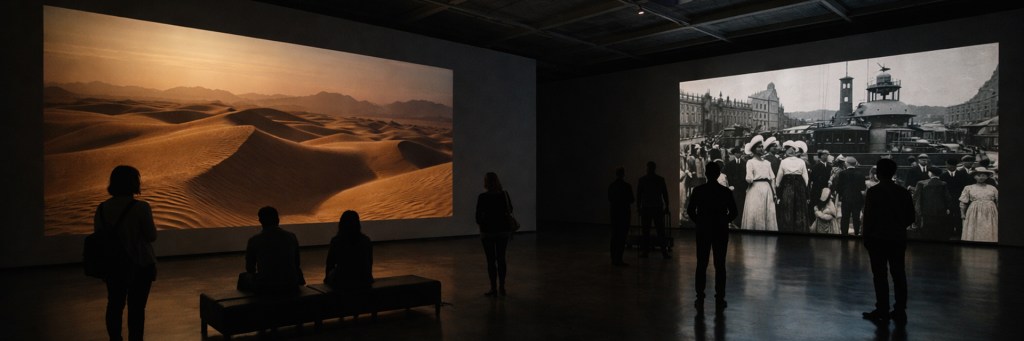
2026年“寰视·国际影像艺术季”(VIIAF)
2026“寰视·国际影像艺术季”(VIIAF)是一个以影像为媒介、具有艺术实践与学术研究取向的国际影像艺术项目。艺术季立足当代全球语境,通过影像这一高度开放的视觉语言,重新审视丝绸之路在历史进程与当代世界中的文化意义与持续影响。
在本项目中,丝绸之路不再被视为一条静态的历史路线,而被理解为一个跨越时间、地域与文明的动态文化场域。迁徙、贸易、技术传播与观念交流所构成的流动网络,持续塑造着人类社会的结构与认知方式。艺术季正是在这一背景下,将影像视为连接历史记忆、现实经验与未来想象的重要方式,回应文明交流、文化共生与多元身份等当代议题。
一、项目理念|Concept
艺术季以影像作为理解世界与重构叙事的关键媒介,强调影像在历史书写、社会记忆与文化想象中的主动角色。摄影、微电影、短视频、录像、动画、互动影像、AI生成影像以及 AR / VR 沉浸式装置等多元形式,在项目中并非仅作为技术手段,而是被视为不同认知结构与观看方式的体现。
通过多种影像语言的并置,艺术季试图突破单一文明视角与线性历史叙事,使丝绸之路的历史经验在当代语境中被重新观看、重新理解,并获得新的视觉表达。
二、学术立场与策展方法|Curatorial Statement
艺术季将影像置于认识论与方法论层面进行讨论。影像在此不仅是对现实的记录或再现,更是一种具有生成性的知识形式,参与历史的建构、空间的产生以及文化意义的形成。通过并置不同历史阶段、不同地缘背景与不同技术条件下的影像作品,构建多时间层并存的观看结构,使历史成为一个持续进入当代的未完成过程。历史影像档案被视为可被重新激活与再语境化的研究对象,当代影像实践则作为对现实社会、技术变迁与全球流动的批判性回应。
在空间维度上,艺术季关注丝绸之路作为由流动所定义的文化网络,探讨影像如何通过视角、叙事与媒介技术,塑造关于“中心与边缘”“本土与他者”的视觉想象,并反思其背后的权力结构与文化立场。
三、艺术家与国际结构|Artists & Scope
2026 年艺术季计划汇聚来自 30 个国家的约 100 位艺术家的影像作品,涵盖历史文献影像、当代影像艺术创作及基于新技术的实验项目。艺术家在项目中不仅是作品的创作者,也作为研究者与文化观察者参与到围绕影像、历史与当代议题的持续讨论之中。
通过多元文化背景、不同代际与创作方法的并置,艺术季力图呈现差异、断裂与不确定性本身,将其作为理解丝绸之路复杂性的关键维度。
四、平台机制与交流方式|Platform & Exchange
艺术季通过实体展览、学术论坛、专题研讨、国际艺术工坊与数字展映等多层次结构,构建一个兼具展示、研究与公共交流功能的国际影像艺术平台。该平台强调过程性与开放性,鼓励艺术实践、理论研究与公众参与之间的互动,使影像艺术成为跨文化知识生产的重要组成部分。
五、发起机构与地点|Initiator & Origin
本艺术季发起于中国成都浓园国际艺术村。
作为中国西部具有代表性的当代艺术与文化交流平台,成都浓园国际艺术村长期致力于当代艺术创作、国际艺术驻留、学术研究与公共文化实践,在影像艺术、实验影像与跨媒介创作领域积累了持续而稳定的策展经验。
艺术季以此为起点,既植根于成都在丝绸之路历史与当代“一带一路”文化网络中的重要地缘与文化位置,也面向“一带一路”沿线国家及全球文化语境展开,形成一个由本土出发、向国际延展的影像艺术交流结构。>> 点击了解浓园国际艺术村 >>
六、公共价值与愿景|Public Value & Vision
艺术季并不试图提供关于丝绸之路的单一结论,而是通过影像实践构建一个开放的视觉场域,使多重叙事、不同立场与批判性观看得以并存。项目强调历史与当代、东方与西方、艺术与科技之间的相互观看与理解,促进跨文化交流与认知互通。
在这一过程中,公众不仅是影像的观看者,也是意义生成的参与者。艺术季希望通过持续的影像实践与公共讨论,为当代社会提供一个反思文明交流方式、理解差异并探索共生可能性的文化平台。
七、影像艺术|Image-based Art
影像艺术(image-based art)是以图像与动态影像为核心媒介的当代艺术实践,涵盖摄影、微电影、短视频、录像、动画、互动媒体、AI生成影像以及AR/VR沉浸式装置等多种形式。在影像艺术中,影像不仅是再现的工具,更是一种认知、叙事与思想表达的媒介,使艺术家能够探索历史、社会、文化及个体经验之间的关系。
影像艺术超越传统媒介界限,融合数字技术、实验方法与互动性,将观众从被动观察者转化为主动参与者和批判性体验者。它为历史叙事、社会记忆和文化想象提供新视角,同时也为多维感知与跨文化对话搭建平台,因此成为当代艺术实践中核心且不可替代的表现形式。
八、艺术季主题|Artistic Theme
交织的时空:从驿站到节点
影像丝绸之路 —— 记忆、现实与想象
本国际艺术季旨在探讨人类如何在时间、空间与技术的交错中建立与重构彼此之间的连接。项目将“丝绸之路”视为一种文化模型,而非单一的历史路线,通过这一视角审视从前现代文明到当今数字时代的流动、交换与传播网络。
艺术季以影像为核心媒介,涵盖摄影、动态影像、纪录片及新兴技术艺术,关注历史记忆、身体迁徙、物质流通与技术系统如何持续塑造全球文化的结构与形态。
主题通过四个相互关联的维度展开:
▼ 驿站(历史与记忆)、▼ 通道(人的流动)、▼ 商道(物质流通)、▼ 节点(技术与网络)。>> 点击了解主题 >>
2026 VISOREA·International Image Art Festival (VIIAF)
VISOREA·International Image Art Festival (VIIAF) is an international image-based art project that integrates artistic production with research-oriented curatorial inquiry. Situated within a contemporary global context, the project approaches image-making as an open visual language to re-examine the cultural significance and its ongoing impact of the Silk Road across historical processes and the contemporary world.
Within this project, the Silk Road is no longer regarded as a static historical route, but as a dynamic cultural field that traverses time, geography, and civilizations. Networks of migration, trade, technological transmission, and the exchange of ideas have continuously shaped social structures and modes of human understanding. Against this backdrop, the Art Season positions image-based practices as a critical means of connecting historical memory, lived reality, and future imagination, engaging with contemporary issues such as civilizational exchange, cultural coexistence, and plural identities.
I. Project Vision |
The Art Festival positions image-based art as a key medium for understanding the world and reconstructing narratives, emphasizing the active role of image-making in historical writing, social memory, and cultural imagination. Diverse forms—including photography, micro-films, short videos, video works, animation, interactive media, AI-generated imagery, and AR/VR immersive installations—are not treated merely as technical tools within the project, but as manifestations of distinct cognitive structures and modes of seeing.
Through the juxtaposition of multiple visual languages, the project seeks to move beyond singular civilizational viewpoints and linear historical narratives, enabling the historical experience of the Silk Road to be re-viewed, reinterpreted, and newly articulated within a contemporary context.
II. Academic Position & Curatorial Approach |
VISOREA·International Image Art Festival (VIIAF) situates image-based practice within epistemological and methodological discourse. Here, images are not simply records or representations of reality; they function as generative forms of knowledge that participate in the construction of history, the production of space, and the formation of cultural meaning.
Rejecting a linear conception of time, the project constructs a multi-temporal viewing structure by placing images from different historical periods, geopolitical contexts, and technological conditions in dialogue. History is thus presented as an unfinished process that continuously enters the present. Historical image archives are approached as materials capable of reactivation and re-contextualization, while contemporary image practices offer critical responses to social realities, technological transformations, and global mobility.
Spatially, the art festival examines the Silk Road as a cultural network defined by movement and circulation, exploring how images—through perspective, narrative, and media technologies—shape visual imaginaries of “center and periphery” and “self and other,” while critically reflecting on the power structures and cultural positions embedded within them.
III. Artists & International Scope |
The 2026 edition plans to present image-based works by approximately 100 artists from 30 countries, encompassing historical documentary footage, contemporary image art, and experimental projects based on emerging technologies. Artists participate not only as creators but also as researchers and cultural observers, contributing to ongoing dialogues surrounding images, history, and contemporary issues.
By juxtaposing diverse cultural backgrounds, generations, and creative methodologies, the Art Season foregrounds difference, rupture, and uncertainty as essential dimensions shown for understanding the complexity of the Silk Road.
IV. Platform Mechanism & Exchange |
Through a multi-layered structure—including physical exhibitions, academic forums, thematic symposia, international workshops, and digital screenings—the art festival establishes an international image art platform that integrates presentation, research, and public exchange. Emphasizing process and openness, the platform encourages interaction among artistic practice, theoretical inquiry, and public participation, positioning image art as a vital component of cross-cultural knowledge production.
V. Initiator & Origin |
The art festival is initiated by Chengdu Nongyuan International Art Village.
As a representative platform for contemporary art and cultural exchange in western China, Chengdu Nongyuan International Art Village has long been committed to contemporary artistic creation, international artist residencies, academic research, and public cultural practice. It has developed sustained and stable curatorial experience in image-based art, experimental moving images, and cross-media practices.
Taking this location as its point of departure, the art festival is rooted in Chengdu’s significant geographical and cultural position within the historical Silk Road and the contemporary Belt and Road cultural network, while extending toward countries along the Belt and Road and the broader global context—forming an image art exchange structure that begins locally and expands internationally. >> For more information on the venue, visit Chengdu Nongyuan International Art Village >>
VI. Public Value & Vision |
VISOREA·International Image Art Festival (VIIAF) does not seek to offer a single conclusion about the Silk Road. Instead, through image-based practices, it constructs an open visual field in which multiple narratives, diverse perspectives, and critical modes of viewing can coexist. The project emphasizes mutual observation and understanding across history and the present, East and West, art and technology, fostering cross-cultural dialogue and cognitive exchange.
In this process, the public is not merely a viewer of images, but an active participant in the production of meaning. Through sustained image practices and public discourse, the Art Season aspires to provide a cultural platform for reflecting on modes of civilizational exchange, understanding difference, and exploring possibilities of coexistence in contemporary society.
VII. Image-Based |
Image-based art refers to artistic practices that use images and moving images as their central medium, encompassing photography, micro-films, short videos, video works, animation, interactive media, AI-generated imagery, and AR/VR immersive installations. In image-based art, images are not merely a means of representation; they serve as expressions of cognition and thought, enabling exploration of the relationships between history, society, culture, and individual experience.
Image-based art transcends the boundaries of traditional media, integrating technology, experimental approaches, and interactivity, transforming the audience from passive viewers into active participants and critical observers. It offers new perspectives on historical narratives, social memory, and cultural imagination, while providing a platform for multidimensional perception and cross-cultural dialogue. As such, image-based art constitutes an indispensable form of contemporary artistic practice.
VIII. Artistic Theme |
Interwoven Time-Spaces: From Waystations to Nodes
The Image-based Silk Road: Memory, Reality, and Imagination
This international art festival explores how human connections are formed across time, space, and technology. Using the Silk Road as a cultural model rather than a historical route, the project examines networks of movement, exchange, and communication from pre-modern civilizations to today’s digital world.
Through image-based practices—photography, moving image, documentary, and emerging technologies—the festival investigates how historical memory, bodily migration, material circulation, and technological systems continuously reshape global culture.
The theme unfolds through four interconnected dimensions:
Waystations (History & Memory), Corridors (Human Mobility), Trade Routes (Material Flow), and Nodes (Technology & Networks). >> For more information on Artistic Theme >>
 VISUREAL・International Image Art Festival